 bbms@bluebells.org
 0124 - 46 98 888


Introduction Transformative pedagogy is an educational approach designed to foster critical thinking, self-reflection, and social change. Rooted in the theories of Paulo Freire and Jack Mezirow, this method encourages students to question existing norms, develop empathy, and actively participate in their communities.
Core Principles of Transformative Pedagogy

Critical Reflection
At Blue Bells Model School, we believe reflection is the key to real learning. Our curriculum encourages students to think deeply, ask questions, and connect lessons to life beyond the classroom. Moving away from rote learning, we focus on understanding concepts and applying them meaningfully. Continuous feedback helps students identify their strengths and areas for growth, while our teachers, through ongoing professional learning, refine their methods to ensure that every child progresses with confidence and clarity.

Dialogue and Collaboration
Our classrooms are lively spaces where curiosity meets conversation. Students are encouraged to share ideas, debate, and work together to solve problems. Through interdisciplinary projects and collaborative learning, they learn the importance of listening, respecting different viewpoints, and building knowledge as a team. The partnership between teachers, students, and parents strengthens this culture of shared learning and mutual respect, making education a truly collective experience.

Empowerment
We aim to empower every learner to take ownership of their journey. With carefully designed enrichment programmes and personalised support, each child receives what they need to flourish. Our focus on global citizenship and awareness of contemporary issues, including the UN Sustainable Development Goals (SDGs), helps students develop responsibility, compassion, and leadership. They learn to see themselves as capable change-makers who can make a real difference in the world.

Action-Oriented Learning
Learning at BDBBPS is engaging, hands-on, and future-driven. We connect knowledge with real-life application through skill-based and vocational subjects such as Legal Studies, Financial Literacy, Artificial Intelligence, Data Science, Design Thinking, and Coding. Students explore, experiment, and innovate, learning not just what to think, but how to think. This approach nurtures problem-solving skills, creativity, and the courage to take initiative in any situation.

Cultural Relevance
Deeply rooted in India’s cultural and artistic heritage, our curriculum blends traditional wisdom with a modern global outlook. Students gain a sense of identity and pride in their roots while developing empathy and respect for diverse cultures. Exposure to the liberal arts broadens their perspectives and nurtures appreciation for beauty, balance, and harmony in life. We believe that true education helps students remain grounded yet globally aware ready to embrace the world with both heart and mind.
Key Strategies for Implementation

Problem-Posing Education
At BDBBPS, learning begins with inquiry. Through problem-posing education, students are encouraged to question, explore, and critically examine real-world challenges. Rather than receiving information passively, they engage in dialogue, identify problems, and co-create solutions. This approach nurtures curiosity, independent thinking, and a deeper understanding of how knowledge connects to life.
Experiential Learning
We believe that meaningful learning happens through experience and reflection. Our curriculum invites students to learn by doing through experiments, fieldwork, simulations, and hands-on projects. This active engagement helps learners internalise concepts, develop life skills, and gain confidence in applying knowledge to authentic situations.
Narrative and Storytelling
Stories are powerful tools for connection and understanding. At BDBBPS, narrative and storytelling are woven across subjects to make learning more personal, memorable, and value-driven. Through stories, students develop empathy, imagination, and communication skills while discovering the human dimension of every discipline—be it history, science, or literature.
Collaborative Projects
Collaboration lies at the heart of our learning culture. Students work together on interdisciplinary projects that encourage teamwork, creative problem-solving, and shared accountability. By pooling ideas and perspectives, they learn to appreciate diversity, build trust, and experience the joy of collective achievement essential skills for success in a connected world.
Reflective Practices
Reflection transforms experience into learning. Through journals, discussions, and self-assessment, students regularly pause to think about what they have learned and how they have learned it. This process deepens understanding, builds self-awareness, and cultivates a mindset of continuous growth. Teachers, too, engage in reflective practice to refine instruction and ensure meaningful progress for every learner.
Benefits of Transformative Pedagogy
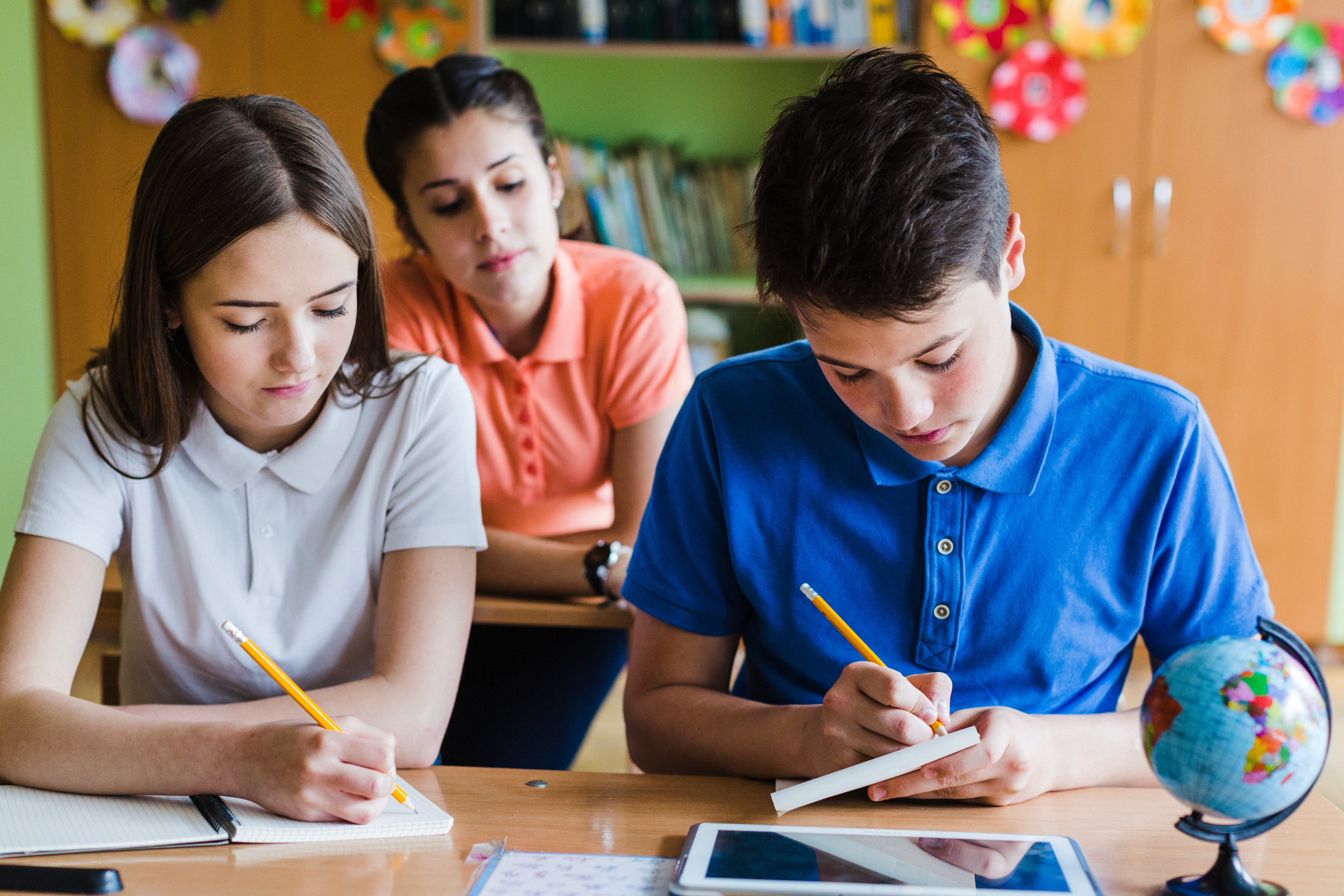
Transformative pedagogy is an educational approach designed to foster critical thinking, self-reflection, and social change. Rooted in the theories of Paulo Freire and Jack Mezirow, this method encourages students to question existing norms, develop empathy, and actively participate in their communities.
- Promotes critical thinking and intellectual independence.
- Encourages empathy, respect, and cultural awareness.
- Equips students with the skills to challenge social injustices.
- Enhances engagement through active and meaningful learning experiences.